
Why would you want a smart home?
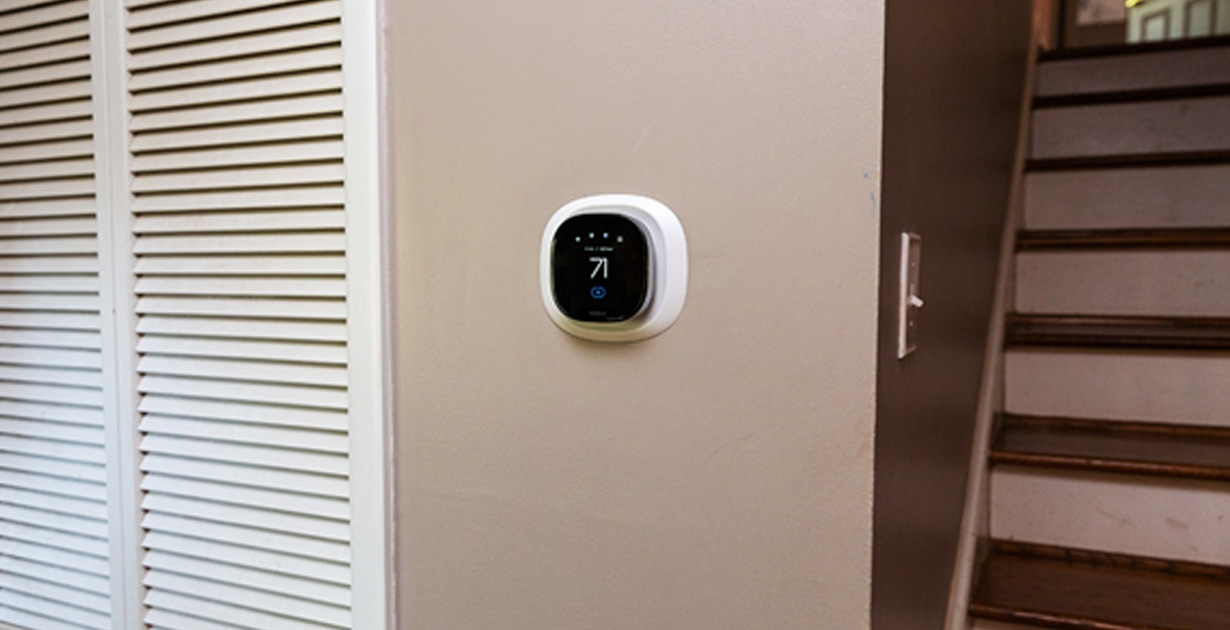
Smart plugs, smart speakers, and smart displays can make everyday life a little easier in your home. Photo by Jennifer Pattison Tuohy / The Verge
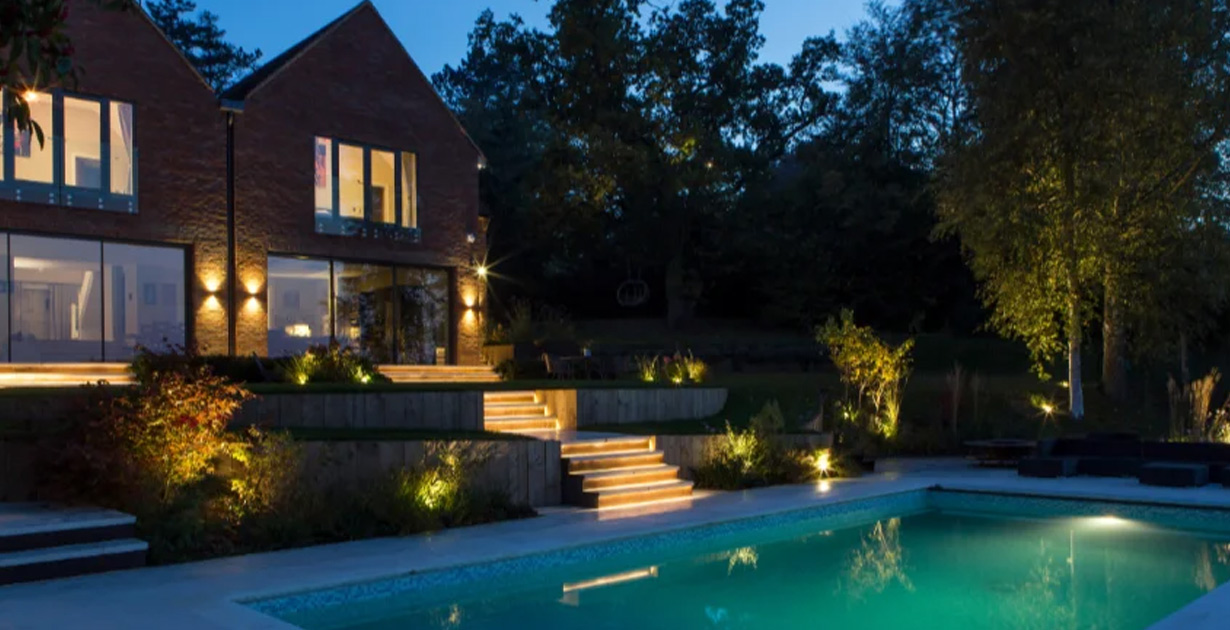
Here’s a look at some of the benefits a smart home might offer you: A safer home: Connected home alarm systems, cameras, locks, and lights can be controlled remotely and monitored from a smartphone or tablet, so you can always know what’s going on in your home wherever you are. Smart lighting can be set on schedules to make it look like someone is home. Smart locks let you give someone access to your home without putting a key under the flowerpot.
A more energy-efficient home: Individual devices like a smart thermostat and smart sprinklers can help conserve resources and save money by lowering energy and water use. Smart energy monitoring of appliances can identify patterns of use and offer suggestions for ways to save energy. More recent technologies, such as Samsung’s SmartThings Energy service, use artificial intelligence to proactively adjust energy use based on the data it collects. For example, if it knows you never open your fridge between 11PM and 5AM, it will increase the temperature by one degree overnight.
A more convenient home: The first smart device people buy is often something that solves a specific problem. If you’re always forgetting your key, you can get a smart lock that opens with your phone or fingerprint. If you never know when the mail arrives, a contact sensor on your mailbox can alert your phone or smart speaker. If you can’t reach a window to close the shades, a motorized blind paired with a smart speaker lets you control it with your voice. If you don’t want the doorbell to ring when the baby is sleeping, a smart doorbell lets you turn the chime off.
A more comfortable, fun home: Having lights that turn on and off based on a schedule or your presence is a convenient feature. But smart LED lighting also adds to comfort and fun. Color-changing LED lights can enhance movie time and take dance parties to the next level. Tunable white LEDs can help keep your circadian rhythm on track by automatically adjusting the tone of white light to energize you during the day and help you wind down at night. Smart speakers have made multiroom audio much easier and more affordable than ever before — pair a few sub-2000 EGP smart speakers together around your home, and you can stream your favorite tunes in every room all at once.
A more helpful home: Smart appliances such as robot vacuums, smart fridges, washing machines, and ovens can take care of some chores for you and help you do others better. A smart fridge can keep track of what food you have and prompt you when you’re running low, a smart washer can tell its dryer counterpart which setting to use for the load it just finished, and a smart oven can adjust the cooking time so your turkey doesn’t overcook.
A more accessible home: All of these functions, while helpful, can be game-changers for people with limited mobility. Controlling locks, lights, shades, appliances, and more by voice or with a touchscreen device such as a phone or tablet can allow people with disabilities to have more independence. Smart buttons that can trigger automations and routines offer a simple, accessible interface for children or those with limited cognitive or physical functions, and programming routines in someone’s home so that they happen automatically can make a huge difference in someone’s daily life.
For example, an automation for an older person with limited mobility who lives alone can turn smart lights on in the morning, open the shades, brighten the lights during the day, and then dim them at night while closing the shades. This can mean the difference between sitting in the dark all day or being able to feel more connected with the outside.
Accessibility in the smart home is not just about helping people with more challenges than most. It’s also the smart home’s long play. All of us will get older, and most of us want to stay living in our own homes for as long as possible. Smart technology can help us “age in place.” If we kit out our homes with connected devices today, they can take care of us tomorrow.
Related Posts
What is the future of the smart home?
Today’s smart home is mainly about remote control and preprogramming devices to help you. You…
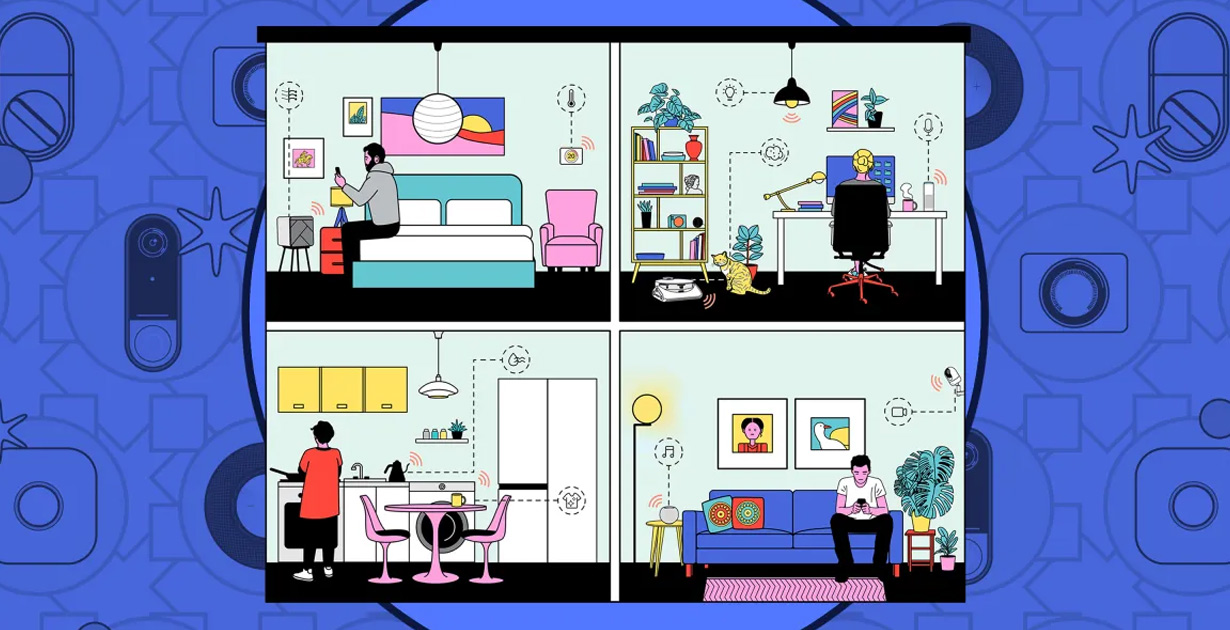
How does a smart home work?
At its core, a smart home is built on connectivity. To have a smart home,…
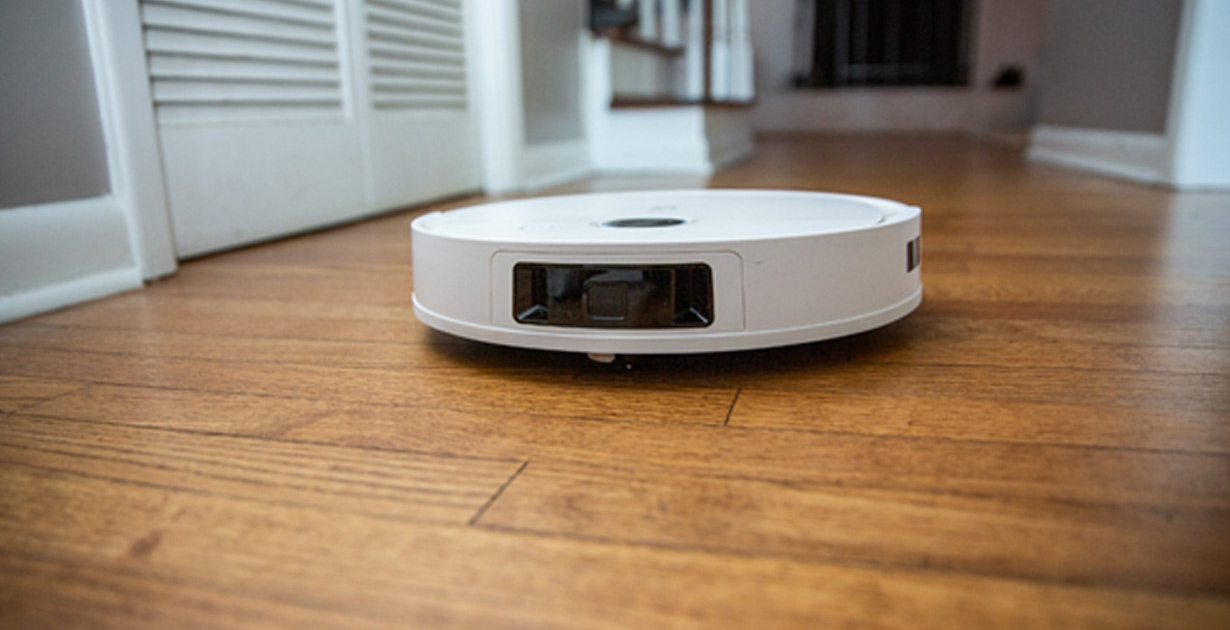
What is a smart home?
A smart home contains more advanced versions of common household appliances, such as this Yeedi…
What is a smart home, and do you need one?
I find the simplest way to explain the concept of a smart home is that…
