

What is a smart home?
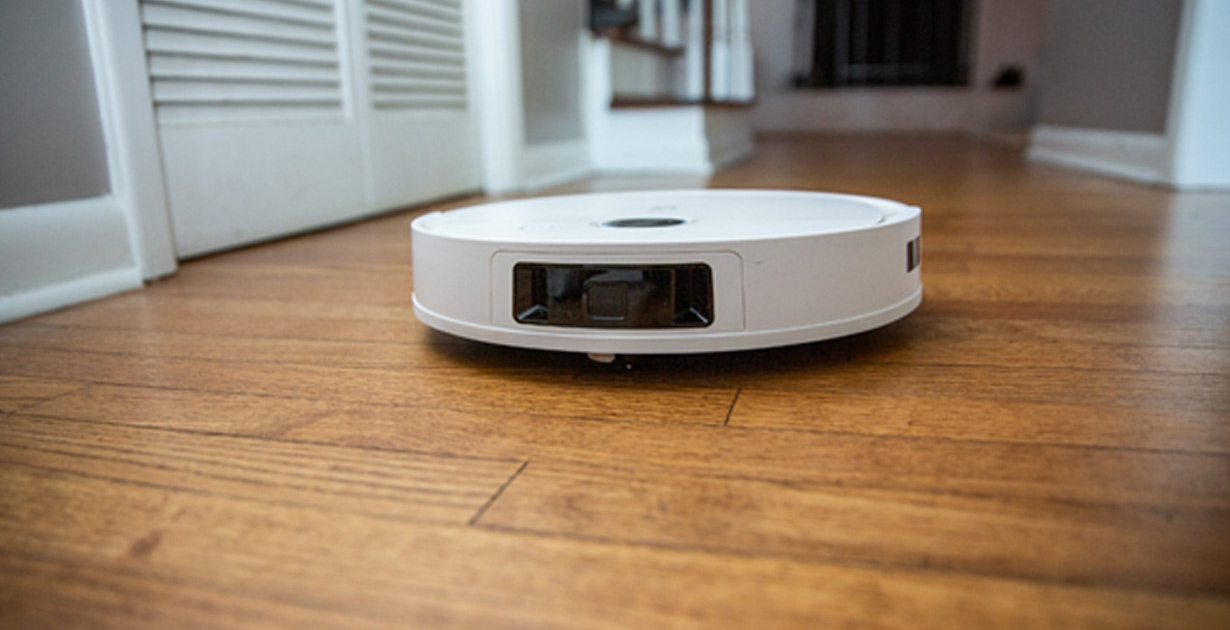
A smart home contains more advanced versions of common household appliances, such as this Yeedi robot vacuum that can mop and vacuum your home autonomously. Photo by Jennifer Pattison Tuohy / The Verge
Smart homes contain “smart” versions of common household appliances: light bulbs, light switches, electrical outlets, thermostats, locks, doorbells, vacuums, refrigerators, washers and dryers, and so on. What makes a device smart is its connectivity — either to the internet, to other devices, or often both. As we put chips into more and more devices, we’re creating an Internet of Things. How a device connects varies (more on that in a bit), but broadly the connectivity allows for three things: remote control, communication with other devices, and over-the-air updates. Ultimately, just as our cars have done, our homes will become sophisticated computers.
by being connected, smart devices have a number of benefits over their non-connected counterparts. A smart door lock still locks your door, but now, you can lock and unlock it when you’re not at home. A smart sprinkler system will still water your garden, but now it can avoid overwatering by not running before, during, or after a rainstorm. A smart light switch will still turn the lights on and off when you flip it, but it can also turn them on automatically using a motion sensor and even turn on lamps and lights in different rooms.
Another distinction between smart devices and their standard counterparts is intelligence. With embedded sensors, software-powered artificial intelligence, and machine learning, some smart devices can understand the environment they’re in and react a certain way. A smart shade with a temperature and light sensor can lower when it starts to get warm; a robot vacuum can avoid your pup’s accidental bathroom deposit because its camera knows what dog waste is; a smart doorbell can learn who visits your home and tell you when someone you know — or more importantly, don’t know — is at the door.
Smart devices can talk to each other. A contact sensor on a window can tell a thermostat to shut off when it’s open, an air purifier can tell a fan to start running when air quality is poor, and a motion sensor can tell lights to turn off when no one is in the room. And, as with my morning routine, multiple devices can be grouped into routines that adjust everything in your home automatically.
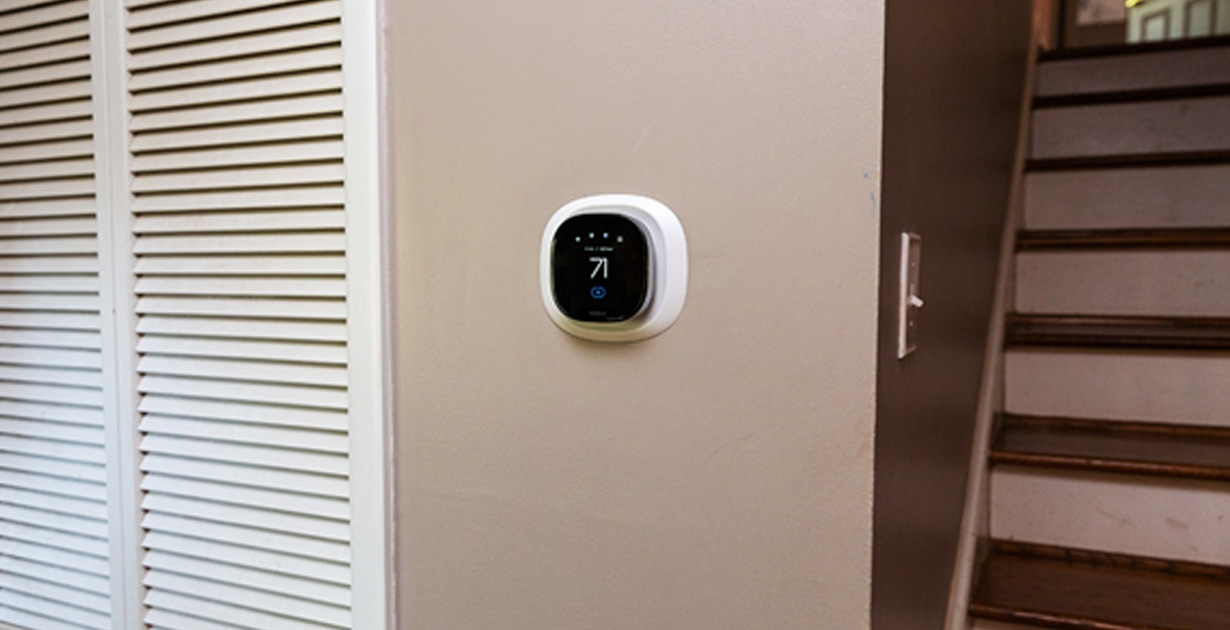
Finally, and most importantly, smart devices can receive over-the-air updates. This means they can get better (or, in some cases, worse) over time. Unlike a standard thermostat, a smart thermostat can be updated with features and abilities it didn’t have when you bought it. For example, Ecobee’s smart thermostat launched with Amazon’s Alexa voice assistant built-in. After an over-the-air update, it now also works with Apple’s Siri.
Related Posts
What is the future of the smart home?
Today’s smart home is mainly about remote control and preprogramming devices to help you. You…
How does a smart home work?
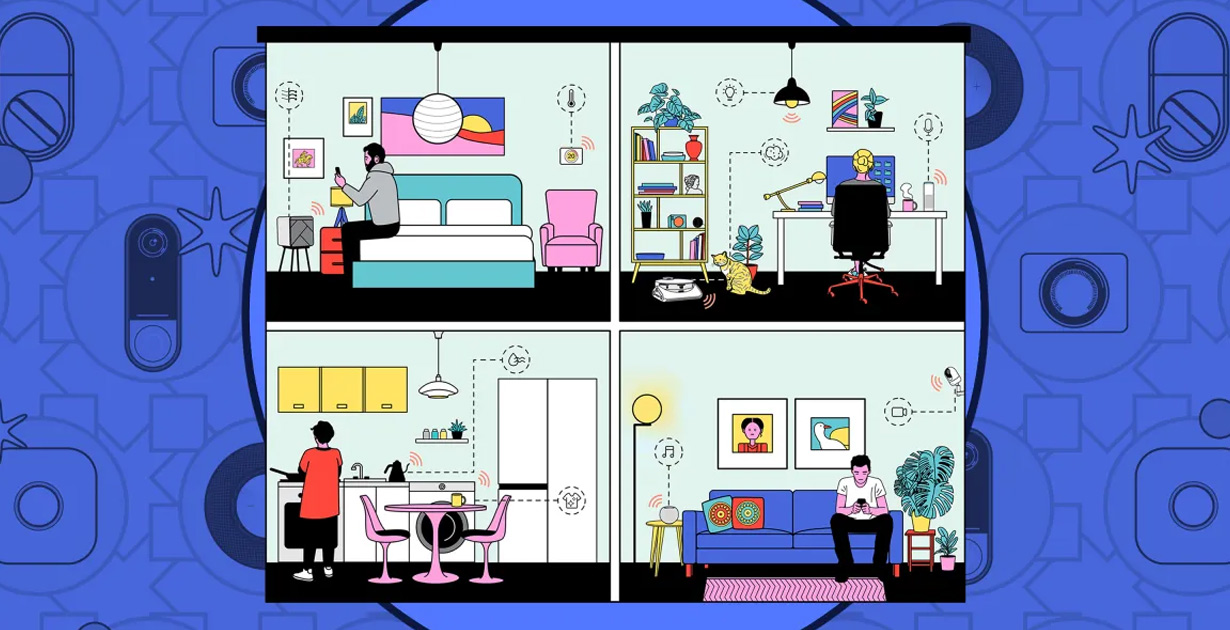
At its core, a smart home is built on connectivity. To have a smart home,…
Why would you want a smart home?
Smart plugs, smart speakers, and smart displays can make everyday life a little easier in…
What is a smart home, and do you need one?
I find the simplest way to explain the concept of a smart home is that…
