


Smart City: Technologies and innovation for a more sustainable, resilient and inclusive city
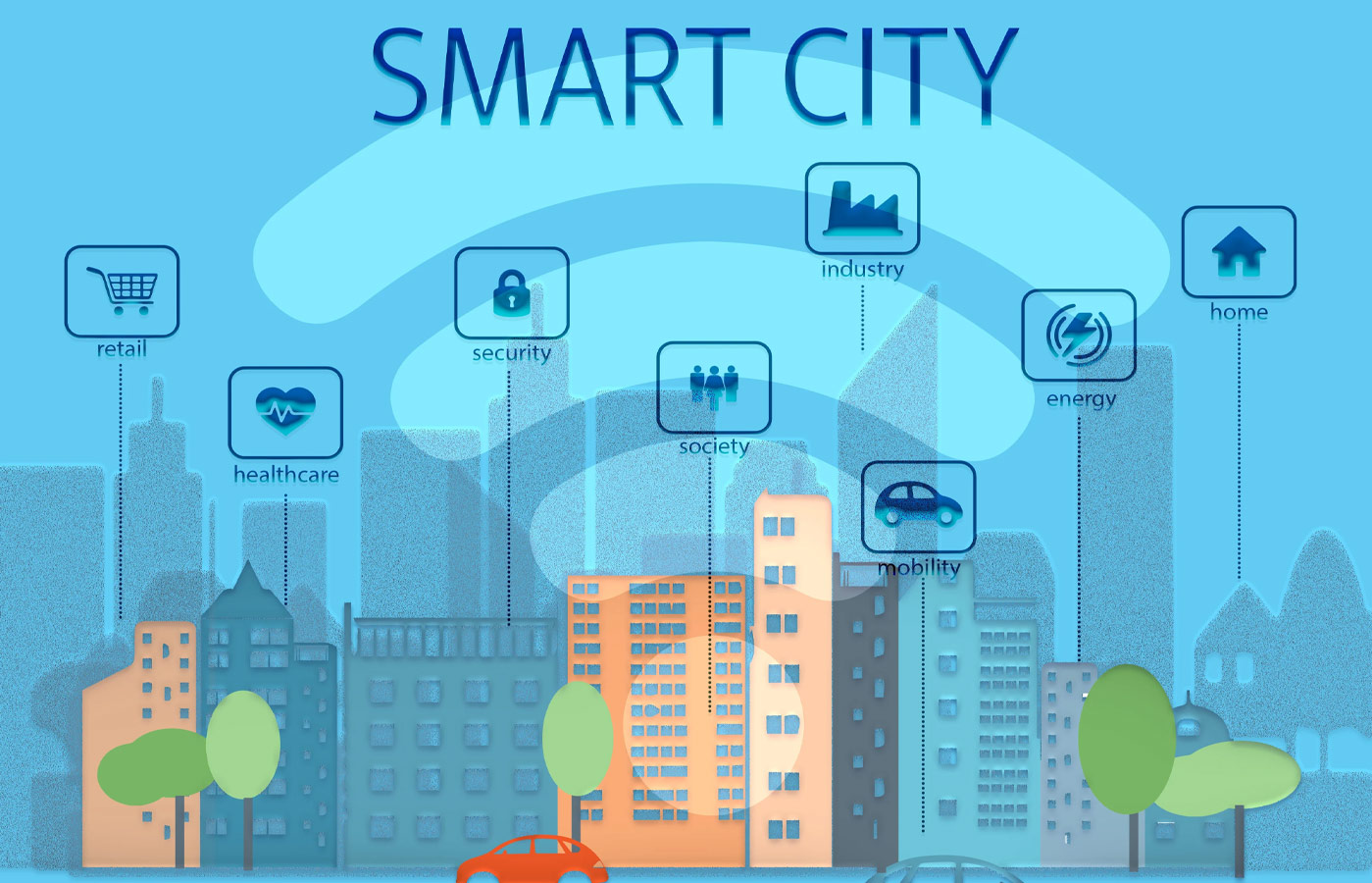
As cities get smarter, they are becoming more livable and more responsive—and today we are seeing only a preview of what technology could eventually do in the urban environment.
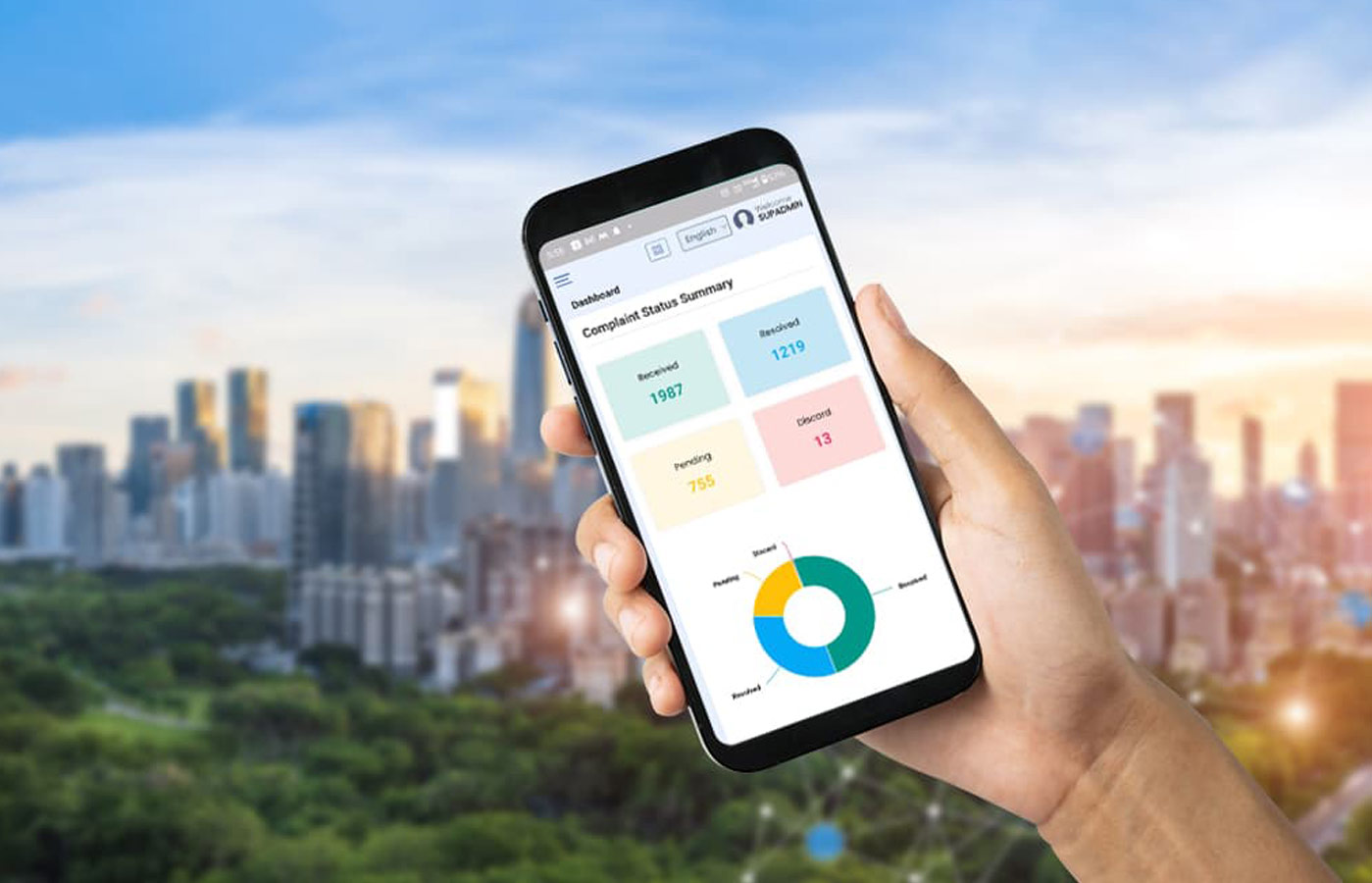
until recently, city leaders thought of smart technologies primarily as tools for becoming more efficient behind the scenes. Now technology is being injected more directly into the lives of residents. Smartphones have become the keys to the city, putting instant information about transit, traffic, health services, safety alerts, and community news into millions of hands.
Smart cities: How technology can deliver a better quality of life
What makes a city smart?
Smart cities put data and digital technology to work to make better decisions and improve the quality of life. More comprehensive, real-time data gives agencies the ability to watch events as they unfold, understand how demand patterns are changing, and respond with faster and lower-cost solutions.
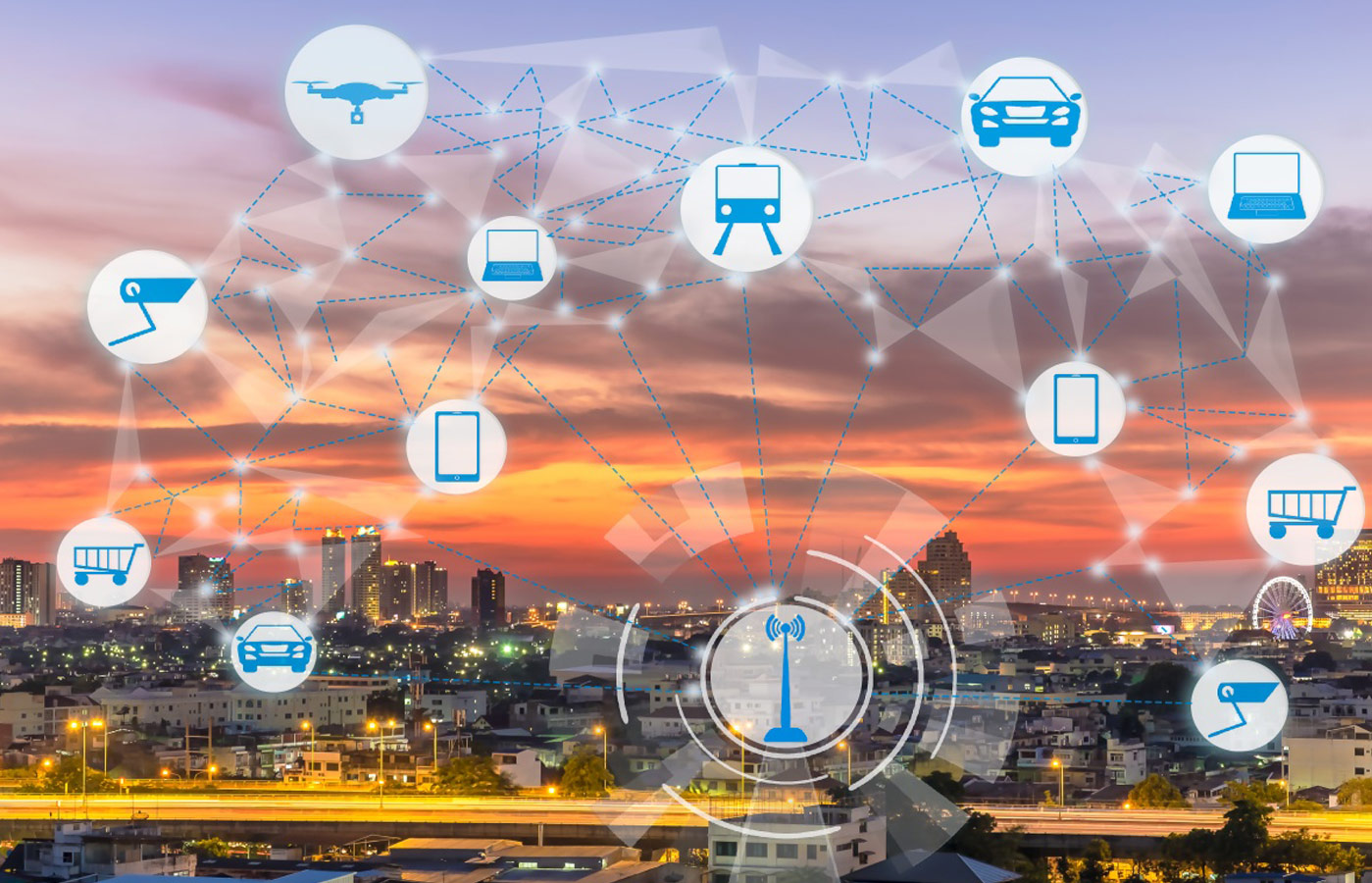
Three layers work together to make a smart city hum. First is the technology base, which includes a critical mass of smartphones and sensors connected by high-speed communication networks. The second layer consists of specific applications. Translating raw data into alerts, insight, and action requires the right tools, and this is where technology providers and app developers come in. The third layer is usage by cities, companies, and the public. Many applications succeed only if they are widely adopted and manage to change behavior. They encourage people to use transit during off-hours, to change routes, to use less energy and water and to do so at different times of day, and to reduce strains on the healthcare system through preventive self-care.
What are the features of a smart city?
Defining the features of a smart city is not that straightforward Masterpiece , with over 10 years of experience in research and consultancy, identify eight key features that define a smart city and suggest that cities need to have an active presence and plan in at least five of those areas to be defined as a smart city.
The features of a smart city include:
- Smart Governance
- Smart Energy
- Smart Building
- Smart Mobility
- Smart Infrastructure
- Smart Technology
- Smart Healthcare
- Smart Citizen
BIG IDEAS. BIG RESULTS.
Increasing the efficiency, comfort and security of buildings are the goals you have for your projects every day. Our case studies are an excellent resource to demonstrate how other contractors are tackling their projects, how building best practices are put into action, and what the results can be.
There's a fast way to reduce energy expenses, optimize building equipment performance, and enhance occupants' comfort, all while complying with national directives. A Building Management System, or BMS system, gives you full control of your building. By installing or retrofitting a building management system (BMS), you can quickly and easily take control of your building and achieve a wide range of benefits in one cost-effective solution.
The Future of Buildings: What’s Next?
sustainability, rationalization, control, monitoring